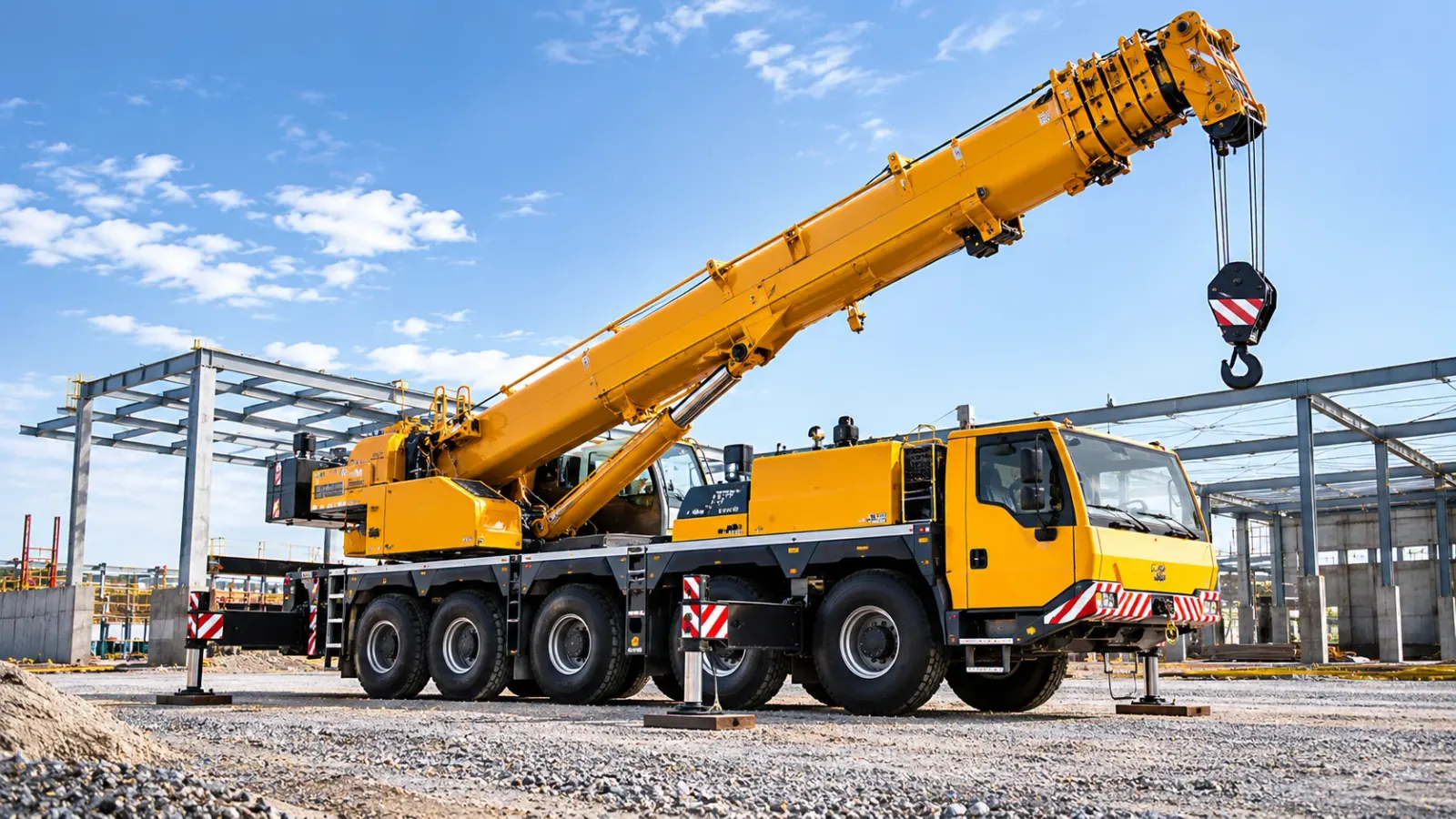
With most machinery, the paperwork is a nice-to-have. With a crane, the paperwork is part of the asset. A lifting machine with a patchy record is harder to insure, harder to put to work on a regulated site, harder to finance and harder to sell later. The steel might be perfectly sound; the problem is that nobody can prove it.
This post is general information about the kinds of records worth asking for. Requirements differ between states and territories and between machine types, so confirm what applies to your equipment with your regulator and your inspector.
The record trail, in plain terms
When you inspect a used crane, ask the seller to put the following on the table before you talk price:
- Maintenance and service history. Dated entries showing who did the work, what was done and what was replaced. Gaps matter more than any single entry.
- Periodic and major inspection reports. Cranes are typically inspected on a schedule set by the manufacturer, the relevant Australian Standards and the regulator. Ask for the most recent reports and any items flagged for follow-up.
- Load charts and manuals. The chart on the machine should match the machine. A chart that does not match the boom configuration or counterweight fitted is a red flag.
- Records of repairs and modifications. Structural repairs, boom changes, re-rating and added attachments should all be documented by someone competent to sign off on them.
- Registration and compliance documents. Some items of plant need to be registered, or have their design registered, in some jurisdictions. Ask which apply and whether they are current.
If the seller says the records are "somewhere", treat that as information. Rebuilding a history after the fact is slow and sometimes impossible.
Lifting gear is its own list
The crane is one asset. The hooks, slings, shackles, spreaders and other lifting gear that travel with it are others. Each item should be identifiable, in serviceable condition and within whatever inspection regime applies. When a sale is advertised as "complete with gear", ask for the gear to be listed item by item so you know what you are paying for and what you will need to replace or re-certify.
Why a lender cares
A lender assessing a crane is looking at an asset it may need to take back and sell. Documentation is part of how it judges that. A machine with a clear, continuous record tends to be easier to value than one with unexplained gaps. That is general commentary rather than a rule: each lender sets its own criteria, and some will want an independent inspection or a recognised dealer involved before they proceed.
It is worth raising this early. A conversation with a finance provider such as Fast Funding can show you what documentation lenders usually ask for, which is far better than discovering it during settlement. Enquiries are free and carry no obligation.
Independent inspection before you commit
A pre-purchase inspection by a competent person who is not the seller is cheap relative to the price of a crane. Ask the inspector to check for the things a seller may not volunteer:
- Boom, jib and outrigger structure, including welds, pins and signs of past repair.
- Wire rope and sheave condition, and the hook block and its safety latch.
- Hydraulic hoses, rams and any weeping or pressure loss under load.
- Safety systems, such as load moment indicators and limit devices, tested rather than just switched on.
- Whether the machine's actual configuration matches its documentation.
Keep the written report. It becomes part of your own records and, one day, part of the file you hand to the next owner.
Start your own file on day one
The best time to build a record trail is the day you take delivery. Create a folder, physical or digital, and keep every service invoice, inspection report, repair note and gear certificate in it. Date everything. If a lender, insurer or buyer asks questions later, you will answer in minutes instead of weeks.
It also helps to set reminders for inspection due dates rather than relying on memory, and to put those costs in your budget before the machine arrives. Inspection and certification are recurring costs of owning a lifting asset, not surprises.
One more source
For the safety obligations that sit around lifting work, Safe Work Australia publishes national guidance, and your state or territory regulator sets the specific requirements that apply to you.
General information only. This is not financial, credit, legal or engineering advice, and it does not consider your situation.